
Why South Africa’s Informal Economy Is Smaller Than We Think
South Africa’s Informal Retail Paradox: Why Its Size Is So Often Overestimated I usually avoid writing about the size of

South Africa’s Informal Retail Paradox: Why Its Size Is So Often Overestimated I usually avoid writing about the size of

Africa’s leading online marketplaces — Jumia, Takealot, and Konga — are navigating an increasingly competitive and resource-constrained environment. The early

TymeBank, which aims to revolutionise retail banking by targeting unbanked and underserved South Africans, has now enabled cash withdrawals for

MarketForce, a Kenyan B2B ecommerce startup, has significantly scaled down its operations amidst funding challenges. Co-founder and CEO Tesh Mbaabu
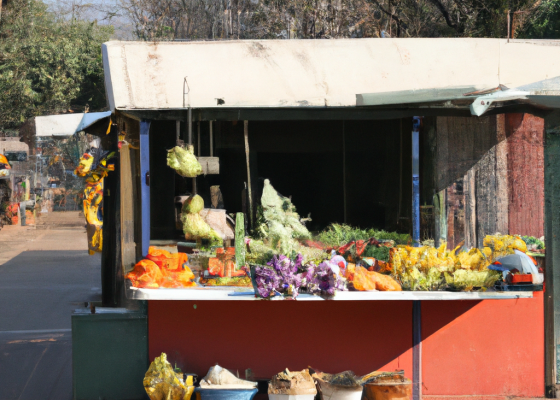
The traditional trade sector in South Africa has demonstrated remarkable resilience, achieving a staggering R187 billion in annual spend in

With over 150,000 informal retailers or spazas across South Africa, located close to people’s homes, spazas are an integral part

Ethiopia’s bustling informal retail sector has found a partner in JEMLA, a promising B2B ecommerce platform that caters to the
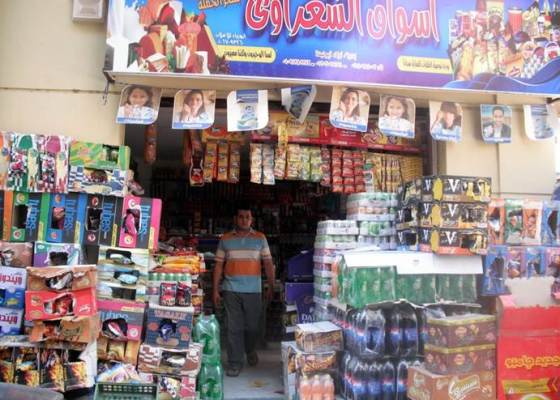
Moroccan start-up Chari has launched a new chain of B2B stores to cater to local grocery stores seeking to digitise
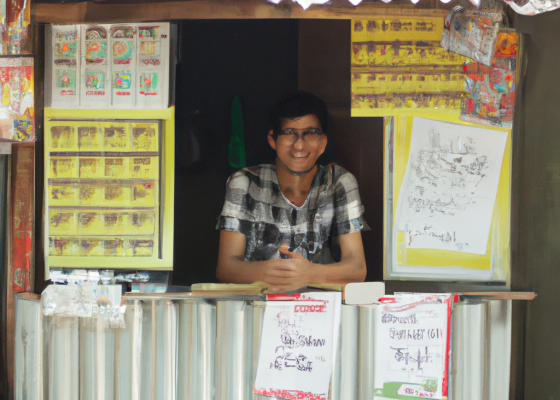
Warungs, or informal retailers, a cornerstone of the Indonesian economy, have long been overlooked and underserved. However, in the past
The humble mom-and-pop shop or traditional retailer has been getting a lot of attention of late. It seems like not
 The Supply Chain Lab