
 Posted by
 Piracy, terrorism, and tears. That’s the world view of Somalia, as a Somali friend of mine likes to joke. Unfortunately, Hollywood’s portrayal hasn’t helped improve this perception. From the infamous incident of militia dragging American soldiers through the dusty streets of Mogadishu in the movie “Black Hawk Down” to the gripping story of a courageous captain negotiating with pirates for the safety of his crew in “Captain Phillips,” Somalia and its people have often been negatively portrayed. However, beyond these stereotypes, there is much to learn from the Somali community, particularly in the realm of small business.
The Somali diaspora is a testament to the resilience and entrepreneurial spirit of the Somali people. During the civil war in the 1990s, thousands fled Somalia and sought refuge in countries like the United States, Canada, Sweden, the United Arab Emirates, and South Africa. Many of these individuals started their own businesses, and despite the challenges they faced upon arrival, some of these ventures thrived.
In the United States, the state of Minnesota stands as a testament to the business skills of the Somali community. Despite the difficulties they met, they have established numerous small firms ranging from money-transfer services to clothing and jewellery shops. In fact, there are even Somali-owned strip malls in the state. Notably, Minnesotan Ilhan Omar made history as the first Somali American elected to Congress, and her public exchanges with President Trump have garnered significant attention.
Across the African continent, many Somalis also sought refuge in neighbouring countries such as Kenya and South Africa, where they integrated themselves into the fabric of small retail society. In Johannesburg’s “Little Mogadishu,” Somali entrepreneurs have set up shop, offering a wide range of products from underwear to internet services, all at competitive prices.
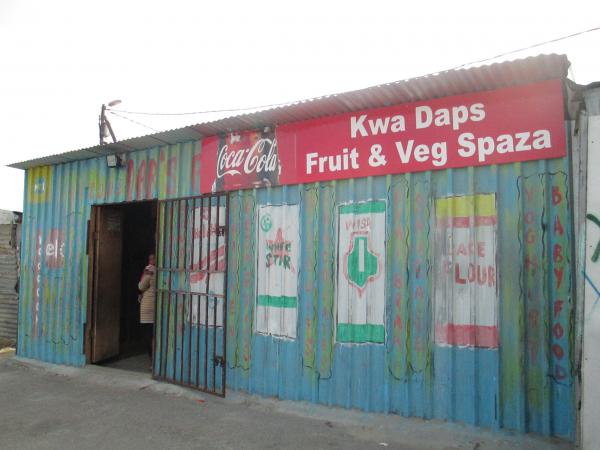
In the Western Cape region of South Africa, the Somali population has been steadily growing, with an estimated 5,000+ Somalis living and engaging in trade in the Bellville central business district. Impressively, these Somali traders have, on average, outperformed their traditional local counterparts, serving as a blueprint for small business success.
The experiences of the Somali diaspora highlight the resourcefulness, resilience, and business acumen of the Somali people. Despite the challenges they have faced, they have managed to set up thriving businesses and contribute to the local economies of their host countries. By studying their experiences and embracing their entrepreneurial spirit, we can gain valuable insights into building successful small businesses and fostering economic growth in diverse communities.
Somali culture drives success
Somali culture plays a pivotal role in driving the success of Somali businesses. At the heart of this success is the strong sense of community and the reliance on social networks. Within these networks, trust is of utmost importance, especially when it comes to accessing business capital. It is common for loans to be extended interest-free in adherence to Islamic law, and in many cases, these agreements are made without formal contracts.
One of the key strengths of the Somali community is their collective mindset. They work together and supply support to one another, particularly in times of adversity. Whether it is in the face of natural disasters or social unrest, community members are always ready to lend a helping hand to those in need. This support extends to supplying job opportunities for new arrivals who are still finding their feet in their new surroundings. In some instances, successful business owners may even offer shares in their ventures to hard-working individuals from their home country, recognizing and rewarding their dedication and commitment.
Reinvestment of capital and risk diversification
Somali entrepreneurs display an appetite for risk and a willingness to work in various locations. They strategically target bustling areas to maximize customer traffic, even if it means running in potentially hazardous or informal settlements.
A crucial aspect of their business strategy lies in diversifying risk through investment in multiple small enterprises. Often, these ventures are co-owned by a group of investors, enabling them to pool resources and spread the risks and rewards. This approach not only helps mitigate potential losses but also fosters collective growth and the expansion of their capital base.
Somali business owners have a long-term perspective when it comes to their shops. They view them as valuable assets that can appreciate over time. This mindset encourages patience and perseverance in the face of short-term challenges as they focus on steadily building their businesses. However, they also stay open to seizing opportunities when they arise. If the right offer presents itself, Somali entrepreneurs are willing to sell their businesses to local investors, recognizing the potential benefits for both parties involved.
The reinvestment of capital and the deliberate spreading of risks are integral to the resilience and adaptability of Somali entrepreneurs. By diversifying their investments and carefully managing their businesses, they navigate challenges and capitalize on emerging trends. This approach not only contributes to their individual financial growth but also fosters economic development within their communities, creating a ripple effect of success and prosperity.
Shop around for the best deals
Somali entrepreneurs prove a willingness to go the extra mile in search of the best deals. They meticulously study the wholesale trade and conduct thorough price comparisons to ensure they secure the most helpful prices. Research conducted by Vanya Gastrow at the University of the Witwatersrand confirms that traders often procure their merchandise from multiple wholesalers. This strategic approach enables them to access special offers and promotions that may not be readily available within their immediate vicinity.
Building strong relationships with store managers is a key aspect of their business strategy. By fostering these connections, Somali entrepreneurs gain valuable insights and stay informed about ongoing specials and bulk discounts. This proactive engagement empowers them to make informed purchasing decisions, maximizing their savings and enhancing their profitability.
Furthermore, their emphasis on relationship-building extends beyond individual transactions. Somali entrepreneurs cultivate long-term partnerships with wholesalers, nurturing a sense of mutual trust and loyalty. This approach fosters a cooperative environment where wholesalers may offer exclusive deals or prioritize the supply of sought-after products, giving Somali traders a competitive edge in the market.
The practice of shopping around for the best deals not only allows Somali entrepreneurs to increase their profit margins but also contributes to the overall resilience of their businesses. By carefully navigating the wholesale landscape and staying attuned to market dynamics, they adapt to changing conditions and secure advantageous terms that fuel their success. This resourcefulness and commitment to securing the best deals exemplify the entrepreneurial spirit that drives the Somali business community.
Affordable packaging
Shop owners take great pride in their commitment to providing value to their customers. They have a deep understanding of the financial challenges faced by their low-end clientele on a daily basis, and they go the extra mile to tailor their product packaging to suit their needs. Recognizing the importance of affordability, they offer smaller, more budget-friendly pack sizes specifically designed for their cash-strapped shoppers.
Rather than relying on the standard packaging provided by manufacturers, Somali shop owners opt for more cost-effective alternatives. For example, instead of selling rice or sugar in large bags or boxes, they offer smaller portions packaged in economical plastic bags. This approach allows customers to purchase essential items without straining their budgets, ensuring that even those with limited financial means can afford the necessities.
High turnover and grocery hampers
Somali shopkeepers employ a shrewd strategy to drive sales and maintain a high turnover rate. They are willing to sell fast-moving products at a loss, strategically using them as loss-leaders to attract customers and generate foot traffic in their stores. By offering these products at competitive prices, they entice shoppers to visit their shops, knowing that once customers are inside, they are likely to purchase additional items, thereby offsetting the initial loss.
In addition to their adeptness at driving high turnover, Somali shopkeepers have also mastered the art of creating grocery hampers, a specialty unique to their retail approach. These hampers combine essential household items, such as sugar, oil, and maize, into a discounted package. This bundling of products provides customers with a convenient and cost-effective solution for their shopping needs, particularly during festive seasons like Christmas or Eid when shoppers are actively seeking deals and savings.
The concept of grocery hampers has gained immense popularity among Somali customers. These packages not only offer convenience by providing a one-stop solution for multiple essential items but also enable customers to make significant savings compared to purchasing each item individually. The appeal of grocery hampers is particularly strong during festive occasions when households are preparing for special celebrations and are looking for ways to stretch their budgets without compromising on quality.
Long trading hours
Somali shopkeepers are renowned for their dedication and commitment, as shown by their willingness to trade long hours. Recognizing the needs of their customers, many of whom face long commutes to their workplaces, these shopkeepers extend their trading hours to ensure maximum convenience.
The extended trading hours serve as a lifeline for working customers who often have limited time during the day to run errands and purchase essential items. By keeping their shops open for extended periods, Somali shopkeepers accommodate the schedules of these customers, allowing them to access the goods they need without the constraints of regular business hours.
Selective with credit
Somali entrepreneurs understand the importance of providing financial flexibility to their customers, particularly those who may face temporary financial hardships. However, they adopt a selective approach when it comes to offering credit, carefully assessing the creditworthiness of their customers and managing potential risks associated with bad debt.
While they are willing to extend credit to those in need, Somali entrepreneurs employ their skilful judgment to differentiate between customers who are likely to honour their financial commitments and those who pose a higher risk. They rely on their experience and knowledge of the community to make informed decisions about credit approvals, ensuring that they maintain a sustainable business model and protect their own financial stability.
They understand that offering credit involves a certain level of trust and responsibility, and they take proactive measures to mitigate potential losses. This includes setting clear credit terms, setting up repayment schedules, and closely checking payment behaviour to identify any red flags.
Refusing customers who are considered high-risk is a necessary step in maintaining the financial stability of their businesses. While it may be a difficult decision, Somali entrepreneurs prioritize the long-term viability of their operations and the welfare of their employees and other customers. By exercising caution in extending credit to customers with questionable financial histories or unreliable payment patterns, they minimize the potential negative impact on their businesses and ensure a fair and sustainable approach to credit management.
Limit out-of-stocks and a range of products
To attract and retain customers, Somali retailers address two key factors: minimizing out-of-stock situations and keeping a diverse product range. Consumers greatly appreciate shops that successfully manage these aspects, as evidenced by their continued support. Extensive research has consistently shown that such shops invest significantly more in their operations compared to local traders.
Rory Liederman, from the University of the Western Cape, conducted a study that revealed that Somali startups, in particular, allocate an average of five times more resources to stock their shops compared to their South African counterparts, known as spazas. This substantial investment underscores the commitment of Somali entrepreneurs in meeting customer demands and ensuring product availability.
While some local traders may harbour feelings of resentment towards these Somali start-ups due to their competitive nature, customers overwhelmingly applaud their business practices. These enterprising entrepreneurs are lauded for their ability to offer products at lower prices while delivering exceptional value to consumers.
Local businesses have limited support
When comparing local small retailers to Somali entrepreneurs, it becomes clear that the former face numerous challenges in terms of support and resources. One significant contrast lies in the strength of their social networks. Unlike Somali entrepreneurs who benefit from robust community connections, local retailers often work within weaker social structures. This limitation becomes particularly clear when it comes to securing start-up capital and managing cash flow.
Local small retailers often rely on personal savings or turn to family members for financial assistance. However, their access to a larger community network for substantial financial support and guidance is limited. This lack of a strong support system puts them at a disadvantage, as they often have to navigate the complexities of running a business on their own.
Furthermore, these local retailers typically adopt a more survivalist mindset in their business approach. Unlike Somali entrepreneurs who proactively choose entrepreneurship, local retailers often find themselves pushed into it out of necessity. The scarcity of job opportunities in their communities leaves them with few alternatives, leading them to embark on entrepreneurial ventures as a means of survival. This fundamental difference in motivation further underscores the challenges faced by local retailers and the added pressures they encounter in their business endeavours.
Cash flow limits bulk purchases
One of the major challenges faced by local small retailers is the constraint on their cash flow, which significantly affects their inventory management. Due to limited financial resources, these retailers often find themselves unable to make large-scale purchases. As a result, they are compelled to rely on wholesalers who break-bulk and offer smaller package sizes. Unfortunately, this practice imposes a restriction on their ability to engage in bulk purchasing and take advantage of the cost savings associated with buying in larger quantities.
The inability to make bulk purchases poses a significant obstacle for local small retailers. Bulk purchasing enables businesses to obtain products at lower unit costs, thereby increasing profit margins and enhancing their competitive edge. By buying goods in large volumes, retailers can benefit from economies of scale, negotiate better prices with suppliers, and pass on those savings to their customers.
However, due to their limited cash flow, local small retailers are forced to opt for wholesalers who cater to their financial constraints by breaking bulk and offering smaller package sizes. While this arrangement allows retailers to access the necessary products, it comes at the cost of missing out on the advantages of bulk purchasing. Without the ability to tap into volume savings, these retailers face higher costs per unit, making it challenging to offer competitive prices to their customers.
Poor market knowledge
One significant issue that small local shopkeepers frequently encounter is a lack of proper market knowledge, compared to Somali traders. This knowledge gap leads to poor buying choices, particularly when it comes to identifying and procuring fast-moving products. As a consequence, these shopkeepers often find themselves with slow-moving items occupying valuable shelf space, thereby tying up their capital and resulting in lower returns and diminished profitability.
Without a comprehensive understanding of the market and consumer demand, local shopkeepers struggle to accurately gauge which products are in high demand and likely to sell quickly. The presence of slow-moving items on their shelves has a negative effect on the financial health of these shopkeepers’ businesses. Not only does it tie up their monetary resources in inventory that remains stagnant, but it also reduces the overall return on investment. The longer products sit unsold, the more their value diminishes, and the less profit the shopkeepers are able to generate. Furthermore, slow-moving items occupy precious shelf space that could be allocated to more popular and profitable products, thereby worsening the financial repercussions.
Stuck in a credit-trap
In addition to the challenges posed by limited cash flow, local small retailers often find themselves trapped in costly and abusive wholesale relationships. The dire financial situation they face leaves them with little choice but to rely on credit from one of two wholesalers, thereby making it difficult for them to shop around and find the best deals.
Due to their poor cash flow, these retailers become dependent on credit from wholesalers who may take advantage of their vulnerable position. These wholesalers may impose exorbitant interest rates or unfair terms, further worsening the financial strain faced by the local retailers. As a result, these retailers find themselves trapped in a credit-trap, unable to break free from these unfavourable arrangements and explore alternative sources for their inventory needs.
The lack of shopping flexibility and limited access to competitive pricing options severely hamper the ability of local small retailers to compete with foreign-owned shops, such as the Somalis. This disparity has fuelled resentment within the community, as local retailers struggle to keep up with the advantages enjoyed by their foreign counterparts. In some instances, this resentment has led to accusations of dubious business practices being levelled against Somali entrepreneurs. While the Somali community may often bear the brunt of such accusations, it is essential to recognize that they are not the sole participants in the pursuit of dominance in the small retail sector across Africa.
Increase in small foreign retailers
Several African countries, including South Africa, have seen a significant surge in the establishment of small retail businesses by foreigners. In South Africa specifically, individuals from Ethiopia, Eritrea, Bangladesh, and China have been among the increasing number of arrivals seeking entrepreneurial opportunities.
Unfortunately, locals often accuse these foreign entrepreneurs of crossing borders illegally or resorting to bribery to gain entry into the country. An Ethiopian friend of mine once revealed that his fellow countrymen were well aware of the exact price needed to “grease the wheels” of bureaucracy at the South African border.
While research has demonstrated that foreign-owned groceries contribute to job creation, employing a majority of local residents, the number of small locally-owned grocery stores is dwindling. This situation has led to heightened tension and animosity within communities.
South Africa, in particular, has experienced xenophobic attacks that initially began in 2008 and have resurfaced in recent times. The Minister of Small Business Development, Lindiwe Zulu, made headlines by suggesting that foreigners should share their business ideas with local entrepreneurs.
Amidst these circumstances, the Somali Association South Africa (SASA) closely watches the situation and has previously collaborated with NGOs to organize workshops focused on business skill transfer and cultural awareness. However, successfully replicating these initiatives has proven to be a challenging task.
A few years ago, I conducted a research project on small grocery businesses in Mombasa, Kenya, a city well accustomed to Somali traders. Local Kenyan traders were able to supply detailed descriptions of the strategies and tactics employed by their Somali competitors in their “dukas” or groceries. In response, several local traders tried to set up bulk-buying and risk pooling strategies through collaboration. Regrettably, these efforts yielded limited success.
As one local Mombasa duka owner put it to me, “we know what they do, but it’s difficult, as trust is in short supply in this neighbourhood.
 The Supply Chain Lab