

 Posted by
Servicing micro-retailers, with their low volumes and limited space, is challenging and often comes at a higher cost. But these traditional outlets understand local consumers in a way large retailers rarely match. Despite the growth of modern trade, the informal shop will not disappear any time soon. There are simply too many of them, and they play too big a part in how people shop.
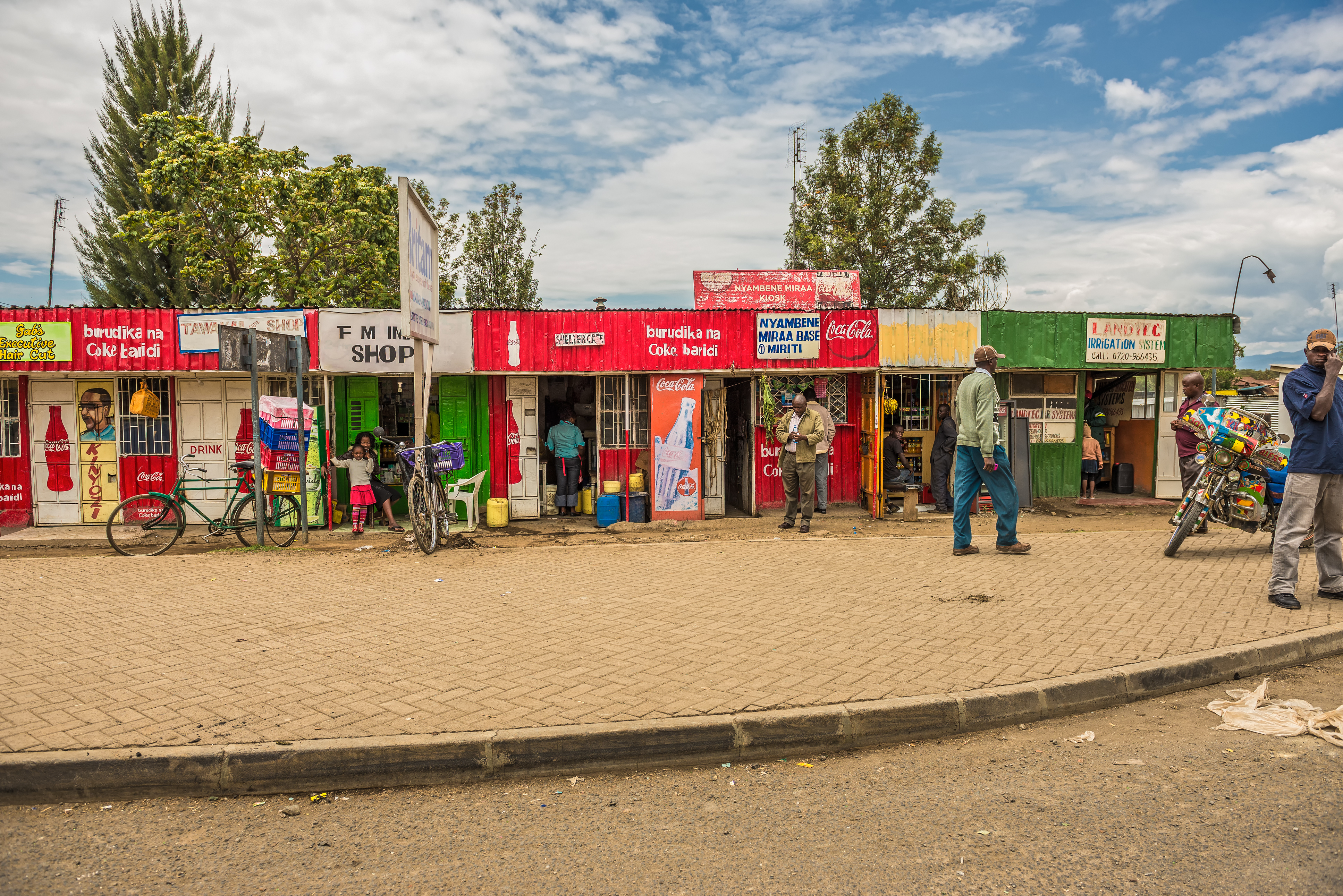
Micro-retailers go by many names: kirana, baqala, sari-sari, duka, spaza, souk and tiendita. They play a crucial role in emerging economies. India alone has around 13 million kirana stores, which still handle about 91% of the country’s grocery sales. In South Africa, more than 140,000 spazas, taverns and independent superettes compete with about 11,000 chain stores.
Micro-retailers typically have fewer than four employees and a monthly turnover of less than US$2,000. They are usually independent and stock a limited range of products. They range from fixed shops to roaming street hawkers, and a typical shop is 25 to 50 square metres.
The challenges of serving micro-retailers
Working with small retailers in emerging markets is not easy. These are the issues I would look at first.
Limited purchasing power. Micro-retailers have limited cash flow and purchasing power. Many rely on personal savings or help from family to keep going. Because their resources are so limited, they buy in small quantities and often fall short of the minimum drop sizes that delivery companies set.
Poor visibility and limited space. Shops are often poorly lit, with little shelf space to stock and display products. Placing coolers and point-of-sale material in these cramped spaces can be a struggle.
Difficulty introducing new brands. Micro-retailers usually stock only two or three brands per category, and with so little cash they are wary of anything that might sit on the shelf. Persuading a shopkeeper to take on another brand, especially a new and untested one, takes real effort.
Frequent need for delivery. Many small groceries run out of stock often and need deliveries several times a week, sometimes daily. But small drops push up the cost of each delivery, which makes these outlets unprofitable for many service providers.
Hard to reach. Many shops are in remote areas or in congested city centres, down streets too narrow for a vehicle, so sales teams have to cover the last stretch on foot.
Unregistered outlets. Plenty of owners never register their business, to avoid tax, and with few street signs it is hard to assign outlets to delivery routes. As a result, micro-retailers are often underserved by manufacturers, and the job falls to informal distributors and wholesalers.
Reliance on wholesalers. Wholesalers and distributors break bulk into smaller, affordable quantities and give credit when it is needed, but smaller quantities come at higher prices. Many shopkeepers have only a few wholesalers within reach, which makes it hard to shop around for better deals.
Lack of market insight. Not every mom-and-pop store has the knowledge to make good buying decisions about categories and varieties. Poor choices tie up cash in slow-moving stock and earn a low return.
The survivalist model. Economic circumstances push people into running a shop because there is no other work. These businesses often have weak social networks and few chances to work with other retailers, so they struggle to compete with organised groups that buy in bulk and qualify for volume discounts. Their high failure rate makes companies hesitant to partner with them.
Counterfeit products. Because most micro-retailers never deal directly with manufacturers, they are more likely to buy counterfeit or substandard goods without knowing it. They may also lack the knowledge to spot counterfeit or expired products, which puts their customers, often among the poorest, at risk.
Crime and harassment. In Nigeria, gangs known as “area boys” control some areas and extort money from shop owners. Hawkers, who often trade alongside micro-retailers, are regularly harassed by police, who confiscate goods and sometimes simply take what they want without paying. This creates a climate of fear that makes it harder for small traders to do business.

The advantages of micro-retailers
One of the biggest advantages of mom-and-pop shops is their close relationship with customers. Unlike impersonal supermarkets, these shopkeepers have often known their customers for years and understand what they need. That lets them give personal service and even offer short-term credit without much worry about bad debt.
Many also deliver. In many countries, customers can phone in an order with no minimum value, and the shop will bring even the smallest item to the door, free of charge. Today many of those orders come in over WhatsApp.
Location is another advantage. These shops sit along commuter routes and close to people’s homes, which makes them ideal for small, frequent purchases. Their prices may be a little higher, but the customer saves on transport, so the corner shop often works out cheaper.
The best micro-retailers keep their shelves well stocked and are flexible. They carry a high share of leading brands, will stock a product if a customer asks for it, and open seven days a week, including evenings, so customers can top up whenever they need to.
Micro-retailers also understand their customers’ values, especially more traditional shoppers. They avoid modern retail practices that put those customers off, such as artificially coloured vegetables or fruit ripened in the store, which makes the shop a comfortable and familiar place to buy.
Finally, micro-retailers sell in quantities people can afford. They break rice, sugar and other essentials into smaller portions than the manufacturer’s pack, so cash-strapped shoppers can buy what they need without stretching their budget.
What has changed since 2023
When I first wrote this in January 2023, the main threat to the corner shop was the supermarket. In India it is now quick commerce: apps such as Blinkit and Zepto delivering in ten minutes from dark stores in the big cities. Traders’ groups say many kiranas in the metros have closed as a result. Even so, research firm Redseer expects kiranas to keep around 86% of India’s grocery market by 2030. Quick commerce is a big-city story, and the mass market still shops at the kirana.
In South Africa, the corner shop is gaining ground. Supermarkets still take about three-quarters of FMCG sales, but traditional trade has been growing three to four times as fast, helped by owners buying in bulk through wholesalers.
The wave of B2B ordering platforms that promised to digitise small shops mostly did not survive. They found that delivering to micro-retailers is hard to make pay, and that the wholesaler’s credit and relationships are harder to replace than they looked. What has stuck is digital payments, and the credit that can be built on top of them.
Additional notes on traditional trade
Retail trade is often divided into two categories: modern trade, made up of convenience stores, supermarkets and hypermarkets, and traditional trade, made up of micro-retailers or mom-and-pop stores. At The Supply Chain Lab, we group emerging markets into four categories, each with its own retail landscape:
- Traditional Themba. These markets rely mainly on traditional trade, with modern trade accounting for less than 10% of sales. They include lower-income countries in Asia, such as India and Cambodia, and many African countries, including Nigeria and the Democratic Republic of Congo.
- Awakening Alice. Modern trade is starting to gain traction, with local and international chains setting up in the country, and accounts for 10% to 30% of sales. Examples include Indonesia, Angola and Kenya.
- Growing Gilma. These markets are in transition, with modern trade accounting for 30% to 50% of sales. Examples include Argentina, Brazil, Venezuela and Thailand.
- Predominant Ping. Modern trade is well established and accounts for more than half of retail sales. Examples include Mexico, China and South Africa.
Understanding which kind of market you are in helps shape the right distribution, sales and supply chain strategy. But even in a Predominant Ping market like South Africa, the small shop is far from finished. Micro-retailers remain central to retail in emerging markets, and companies that find practical ways to work with them, rather than around them, will reach customers their competitors miss.
First published in January 2023. Updated November 2026.

